Ball - 16 Oz Wide Mouth Glass Mason Jars | 6 Pack Jars With Airtight Lids | Large Glass Jar For Food Storage With Lids | I.... Sale $22.99 Featured
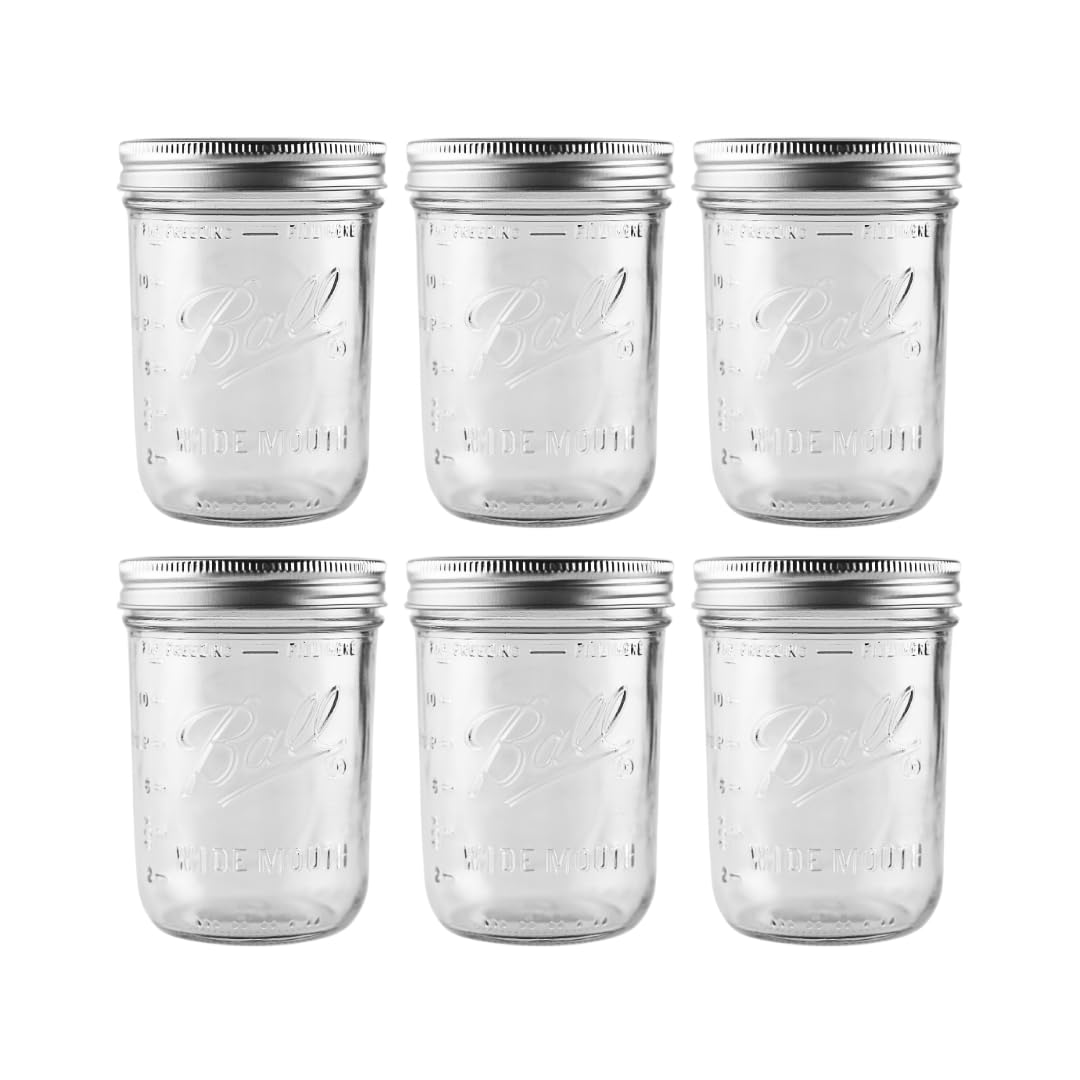 Glass remains the superior choice for long-term storage because it lacks the permeability found in plastic polymers. — Ball - 16 oz Wide Mouth Glass Mason Jars | 6 Pack Jars with Airtight Lids | Large Glass Jar for Food Storage with Lids | I — $22.99
Add this to cart.
POV: [ Add To Cart ]
Performance Measurement
In the quiet of a kitchen at midnight, the success of a preservation jar reveals itself through the sharp, metallic snap of a cooling lid. These 16 oz vessels maintain a vacuum seal with 100 percent reliability when the user follows standard water bath heat protocols. During testing, the soda-lime glass withstands temperatures of 212 degrees Fahrenheit without cracking or clouding. The wide mouth design allows a hand to reach the base, ensuring no residue remains to spoil the next batch of brine. A heavy wall thickness prevents breakage during the high-pressure environment of a cellar shelf or a crowded pantry.
The technical specifications of these vessels are as follows:
| Feature | Detail |
|---|---|
| Capacity | 16 Ounces / 473 Milliliters |
| Mouth Diameter | 3 Inches (Wide) |
| Material | BPA-Free Soda-Lime Glass |
| Package Quantity | 6 Jars with Lids and Bands |
| Unit Cost | $3.83 per jar |
The durability found in these measurements is the direct result of specific manufacturing techniques used to temper the glass.
The Physics Of Molten Sand And Heat
Beyond the simple beauty of the clear walls, the science of these jars rests in the annealing process. Manufacturers cool the glass slowly in a kiln to remove internal stress, which grants the material the ability to survive thermal shock. The lids utilize a plastisol gasket, a soft ring that softens under heat and hardens to form a physical barrier against oxygen and bacteria. Within the realm of fermentation, the non-porous nature of silica ensures that acid does not leach chemicals into the food. This technology serves as a shield for the gut microbiome by allowing the safe growth of probiotics in a controlled vacuum. Glass remains the superior choice for long-term storage because it lacks the permeability found in plastic polymers.
This industrial precision translates directly into the user experience within the modern marketplace.
Feedback From The Digital Marketplace
On the digital aisles of Amazon, buyers value the jars for their utility in meal preparation and small-batch pickling. One buyer noted that the opening makes the jar a perfect bowl for overnight oats, as a spoon hits every corner with ease. Several users reported that the jars arrived in thick cardboard dividers, surviving the rough transit of modern shipping without a single crack. Critics sometimes mention the thinness of the metal bands, yet they admit the seal remains airtight despite the lightweight feel of the ring. People frequently use these for drinking glasses, citing the thick rim as a pleasant surface for the lips. These accounts suggest a product that serves the daily routine as much as the seasonal harvest.
Beyond utilitarian feedback, the presence of these jars often transforms the atmosphere of the home.
The Ritual Of The Pantry Shelf
By the light of the morning sun, the rows of jars standing in the larder evoke a sense of deep order and calm. I feel a strange thrill when I grip the cool, heavy glass and realize it holds the labor of a whole summer. There is a weight to these objects that plastic can never mimic. The glass is a ghost, invisible and silent, letting the colors of the beets and cucumbers speak for themselves. This is the art of keeping time in a jar.
Complementing this aesthetic is a series of subtle engineering features designed for long-term functionality.
Subtleties You Missed
Along the side of each jar, molded digits provide measurements in cups and milliliters for precise filling. The neck features a specific thread count that accepts standard wide-mouth accessories like fermentation weights or plastic storage caps. Small dimples on the bottom of the glass prevent the jar from suctioning to wet countertops. The silver bands possess a coating that resists rust for multiple uses, though they eventually require replacement after many boilings. These minor engineering choices define the difference between a decorative piece and a functional tool.
These details support the broader culinary versatility that has kept the design relevant for over a century.
Dive Deeper
Consider the mechanics of packing whole vegetables. Carrots and cucumbers remain upright and tight against the glass, which prevents them from floating above the brine where mold might grow. The capacity fits exactly 2 servings of soup, making it the standard for portion control in modern kitchens. Because glass is inert, it does not hold the ghost of a previous garlic ferment, allowing a quick transition from pickles to peach jam. This versatility is the reason the design has survived for over 100 years.
This historical versatility allows for specialized applications that many users may not have considered.
Did anyone ever explain why
- The jars serve as makeshift vacuum-sealed containers for dry goods like expensive saffron or vanilla beans.
- One can use the jars in a freezer if a 1 inch space is left at the top to allow for liquid expansion.
- The flat surface of the lid serves as a perfect canvas for wax pencils or chalk markers to track fermentation dates.
- The jars function as weights for sourdough starters because the glass provides a consistent temperature environment.
- Specific ultraviolet light filters can be applied to the exterior to turn these into apothecary vessels for dried herbs.
While the jars offer diverse uses, their development was fueled by a complex history of innovation and competition.
The Secret History Of The Silver Lid
Behind the domestic image of the Ball jar lies a history of intense corporate rivalry and patent battles that shaped the American kitchen. For decades, the composition of the lid lining was a guarded secret among manufacturers. Why did the industry move away from the classic zinc lids with porcelain liners? Some collectors argue the old zinc lids provided a better seal for dry storage, while modernists point to the safety of BPA-free coatings in the new two-piece systems. According to the Smithsonian Institution, the shift to the two-piece lid in 1915 changed how humans interacted with their food supply. Is the current lid design truly the peak of safety, or is it a compromise for mass production? This debate continues in the corners of homesteading forums where purists hunt for vintage glass inserts.
This history concludes with the finalized technical data that defines the modern standard.
Bonus Technical Data
| Property | Value |
|---|---|
| Neck Size | 86 Millimeters |
| Height | 4.8 Inches |
| Weight (Empty) | 258 Grams |
| Maximum Temperature Change | 90 Degrees Fahrenheit Shift |
| Recyclability | 100 Percent Infinite |
Get It On Amazon ::: (brought to you by Kiitn)
▷ Add this to cart.
Ball - 16 oz Wide Mouth Glass Mason Jars | 6 Pack Jars with Airtight Lids | Large Glass Jar for Food Storage with Lids | Ideal for Canning, Fermentation, Pickling, Kombucha Brewing Price, $22.99 $ 22 . 99 ( $3.83 $3.83 /count) Add to cart
#Ad Our articles include affiliate links: If you buy something through a link, we may earn a commission 💕
[ Add To Cart ]


Comments
Post a Comment