Cost $26.99 Featured—Rustic Ceramic Flower Vase With Handles - Terracotta Farmhouse Decorative Pottery Vase
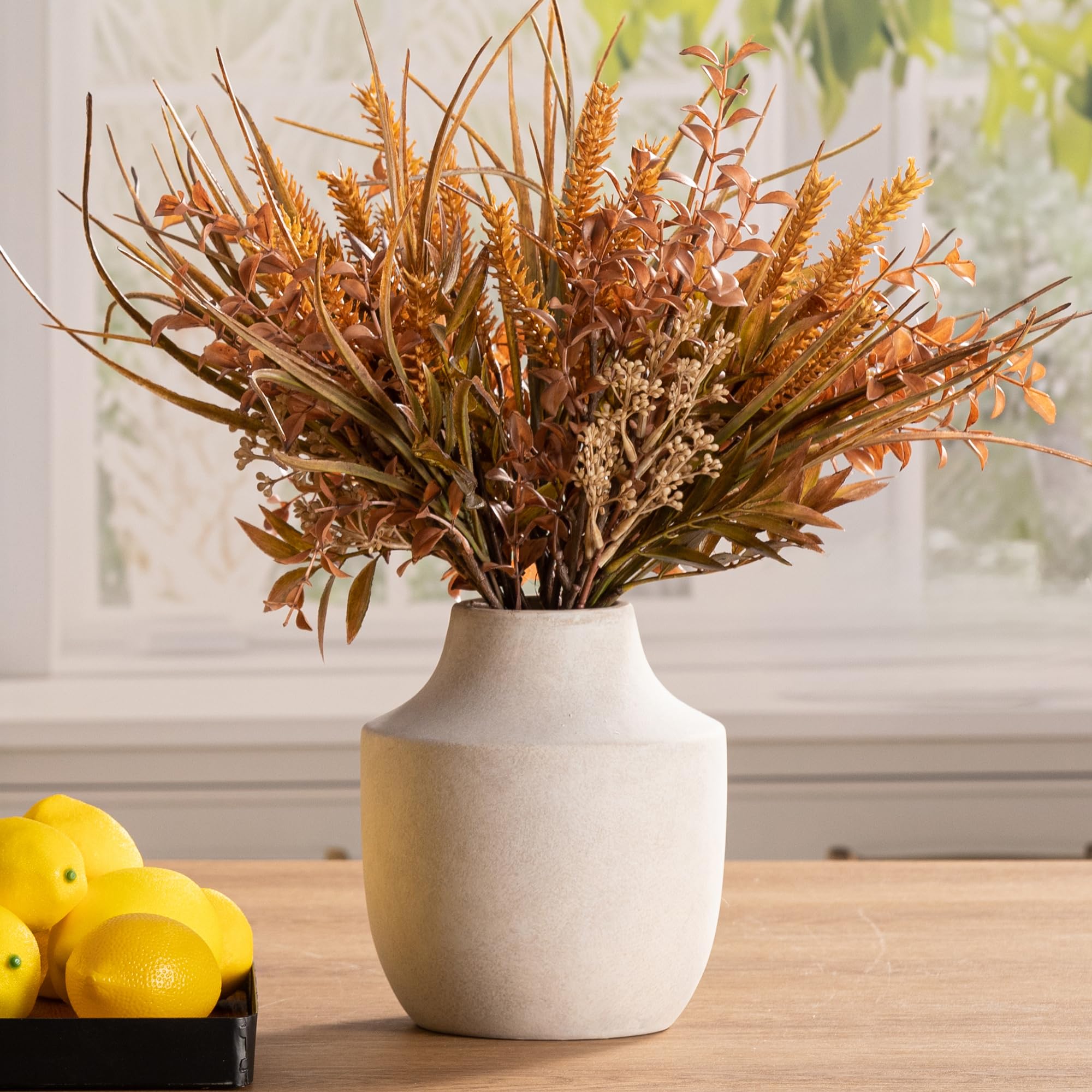 Bernard Palissy's earthenware, known as • — Mitt⁘Ditt Ceramic Flower Vase with Handles, Decorative Terracotta Vases, Farmhouse Rustic Pottery Vases for Home Decor, Li — $26.99
Find out more.
When the mind feels like a poorly balanced structure, we seek anchors in the world of fixed, tangible forms. It is in this pursuit of permanence that we encounter objects of baffling scarcity and unique purpose, vessels not merely designed for display but weighted by profound, sometimes confusing, historical intent. The history of ceramics is paved with such anomalies, pieces that stubbornly resist the classification of mere utility.
Consider, for example, the bewildering economics surrounding the Ming Dynasty Chenghua ‘Chicken Cup.’ This small wine vessel, barely four inches across, depicts cocks, hens, and chicks in meticulous underglaze blue and overglaze enamel colors. Its function is insignificant; its value defies utility. It is prized not for its capacity but for its crystalline thinness, a technical peak achieved in the 15th century that subsequent generations struggled to match. Its existence raises critical questions about human desire: why does the collective weight of historical consensus assign such monumental worth to a brittle simulacrum of domestic tranquility? We are drawn to these perfect, small things because they represent an almost impossible moment of equilibrium between material and mastery.
Equally compelling are the historical attempts at material deception, where the very substance of the piece suggests a higher ambition than the earth allowed. The earliest European hard-paste porcelain, known as Medici porcelain, produced briefly in 16th-century Florence, remains a strange, grey-tinged curiosity. It was a premature dream, an intense but ultimately flawed attempt to replicate the gleaming white perfection of Chinese imports centuries before the chemical secrets were truly decoded. These objects, fragile and often slightly lopsided, carry the weight of desperate, brilliant failure; they are brittle markers of a civilization straining its resources to achieve an imported ideal. Further south, the 16th-century French ceramicist Bernard Palissy constructed his famed rustic basins, not to contain fluids, but to contain unsettlingly accurate, glazed reproductions of the natural world—snakes, lizards, shellfish, and ferns rendered in vivid *trompe-l'œil*. The furnace roared for sixteen years before he perfected his signature enamels, a testament to resilience forged through intense material experimentation.
* The Chenghua 'Chicken Cup' is an anomaly of scarcity, deriving its value from the 15th-century perfection of its enamel application.
* Medici porcelain, an early European attempt at replication, used crushed glass in its paste, resulting in a historically significant but technically imperfect product.
* Bernard Palissy's earthenware, known as *Figulines Rustiques*, functioned as highly detailed, glazed taxonomies, depicting nature with meticulous, unnerving accuracy.
* The original purpose of some ancient Greek vessels, such as the *Kernos*, a ring-shaped ritual container with multiple small cups, remains a subject of ongoing archaeological confusion.
Get It On Amazon ::: (brought to you by Kiitn)
▷ Find out more.
Ceramic Flower Vase with Handles, Decorative Terracotta Vases, Farmhouse Rustic Pottery Vases for Home Decor, Living Room, Table Price, $26.99 $ 26 . 99 - $36.88 $ 36 . 88
#Ad Our articles include affiliate links: If you buy something through a link, we may earn a commission 💕
[ Purchase Options ]


Comments
Post a Comment