Image Of Nike Men's Run Swift 3 Road Running Shoes. Expense #.## Wanted Ϟ
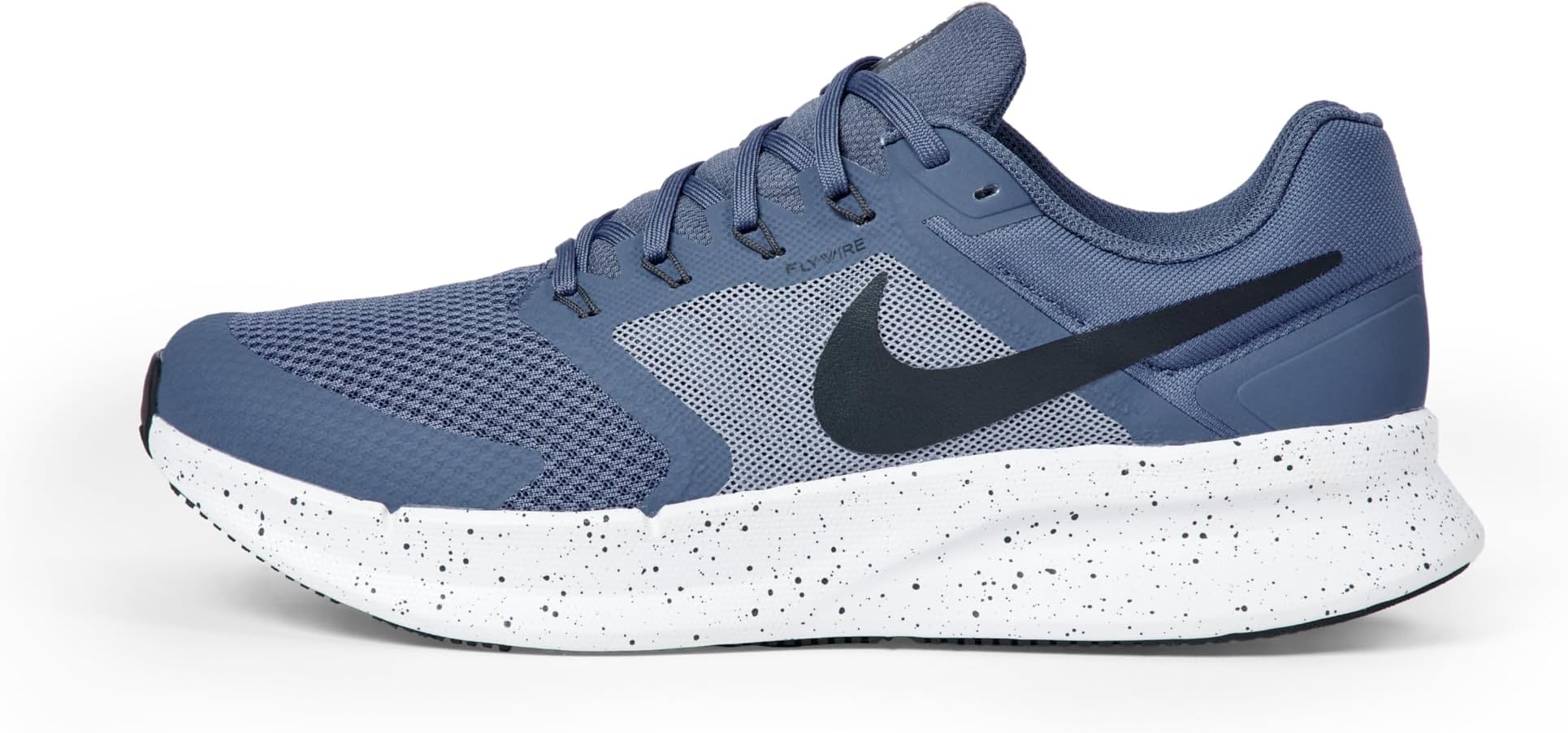 Wanted Ϟ
 High stack heights necessitate increased micro-adjustments from foot stabilizers due to the elevated, compliant platform. — Image of Nike Men's Run Swift 3 Road Running Shoes — #.##
Visit this page.
She finally achieved relief by transitioning to a shoe designed with a zero-millimeter drop. Her discomfort vanished when the new platform forced her ankle into a natural, uncompensated range of motion. It was a complete repudiation of the standard industry prescription.
The geometry of modern running footwear presents several structural contradictions often perplexing to even seasoned athletes. Zero-drop construction, where the heel and forefoot maintain equal height, fundamentally dictates gait retraining. This platform mandates an immediate shift toward mid-foot or forefoot striking, compelling the engagement of smaller, intrinsic foot muscles that remain largely dormant in highly ramped, traditional models. Conversely, the maximalist shoe utilizes stack heights often exceeding 40 millimeters—a voluminous amount of foam providing profound impact attenuation. Yet, this sheer material volume inherently creates a levered instability, forcing the stabilizing muscles in the foot and ankle to work harder than expected to maintain lateral control.
The Paradox of Foot Intervention
The choice between minimalist and maximalist design is a stark philosophical split: one intends to strengthen the foot by requiring natural function; the other seeks to entirely protect the foot by shielding it from impact forces. Unexpectedly, many maximalist models incorporate an aggressive rocker geometry, a curved sole profile that facilitates an extremely rapid turnover cycle, often mimicking the quick release associated with minimal racing flats. This advanced contouring negates the expected sluggishness one might associate with such thick cushioning. It is often observed that increased energy return from highly responsive foams does not reliably equate to increased subjective comfort; instead, it can simply prolong the ground contact time, altering proprioception without eliminating strain. Runners accustomed to striking aggressively noticed quicker localized fatigue in the intrinsic musculature when transitioning to models prioritizing high stack and soft density.
* Zero-drop designs demand immediate, sustained adaptation of the Achilles tendon complex.
* Aggressive rocker profiles accelerate forward momentum but often shift the workload higher up the kinetic chain.
* High stack heights necessitate increased micro-adjustments from foot stabilizers due to the elevated, compliant platform.
* A 4mm differential versus a 12mm differential dictates fundamentally different leverage points during toe-off.
The Unseen Costs of Intervention
The physiological tax incurred when altering heel-to-toe drop is immediate and undeniable. Moving from a high-drop shoe to a lower one directly challenges the posterior chain, particularly the Tibialis Anterior and the calf musculature. Runners who have relied on 12mm offsets for years often experience acute protest—cramping and sharp fatigue—within the first mile of wearing a low-drop model. This reaction is the unavoidable consequence of suddenly demanding a greater range of dorsiflexion from the ankle. The shoe, in this highly specific context, acts as a temporary prosthetic, either compensating for existing biomechanical inefficiencies or, conversely, amplifying required muscle activity. The subtle adjustment of a mere four millimeters can trigger a cascade of changes that redefine the runner's relationship with the ground.
Get It On Amazon ::: (brought to you by Kiitn)
▷ Visit this page.
Quick look Nike Men's Run Swift 3 Road Running Shoes 4.3 4.3 out of 5 stars 332 4.3 out of 5 stars. 332 customer reviews $ 80 . 00 Add to Cart
#Ad Our articles include affiliate links: If you buy something through a link, we may earn a commission 💕
[ Buy It Here ]


Comments
Post a Comment