At $26.88 Featured—Glass Jars With Bamboo Lids And Labels Set
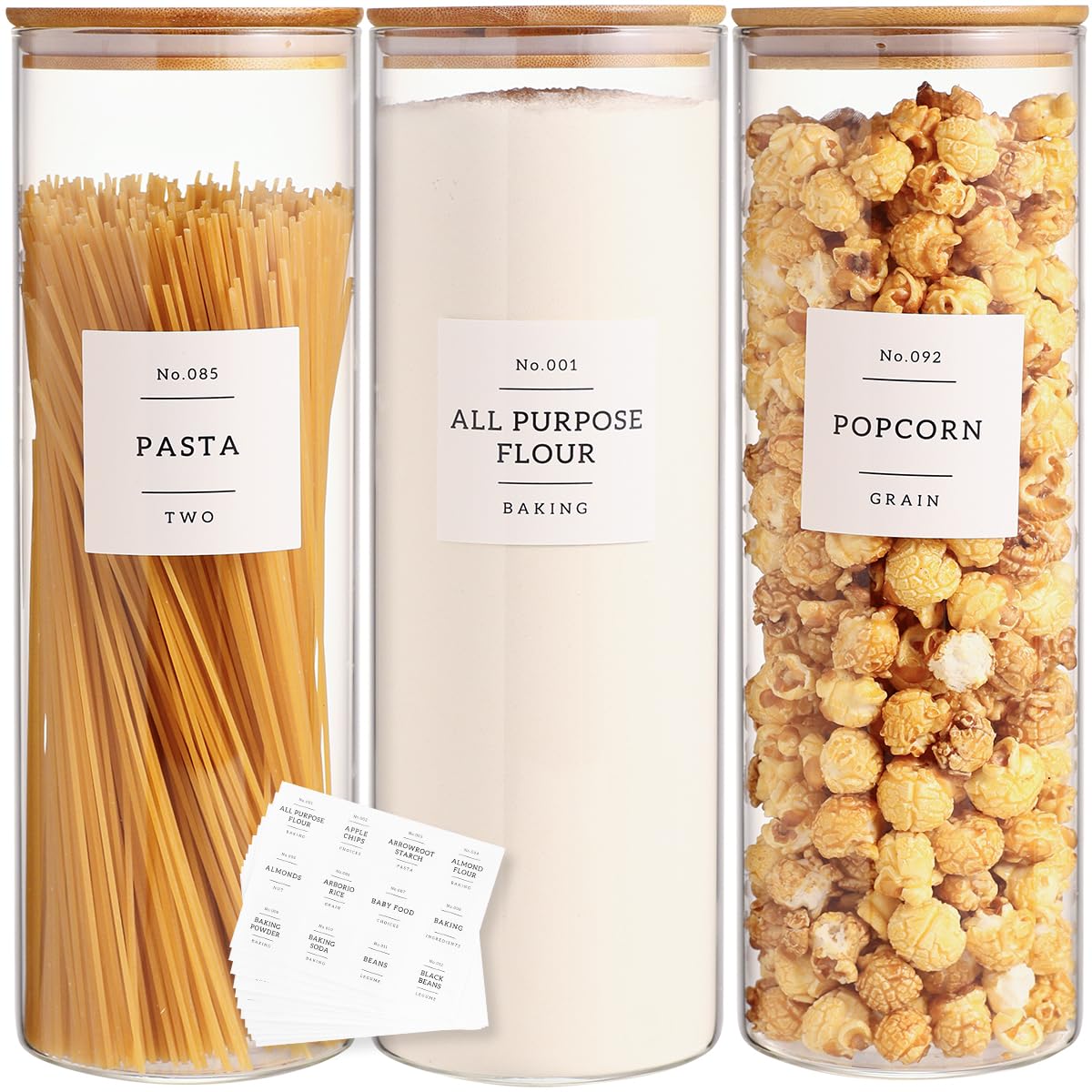 For home cooks and professional chefs alike, a system for categorizing and containing ingredients can make all the difference. — CZZGSM 7 glass jars with bamboo lid and labels — $26.88
Find out more.
The accepted standard—that matching, clear containers marching in straight rows equate to a well-run domestic operation—is structurally rigid and misses the nuance of actual cooking habits. True organization is frequently idiosyncratic. Consider the person whose daily routine demands that the seldom-used saffron must reside inside a ceramic teacup on the highest shelf, not because it is aesthetically pleasing, but because that placement guarantees it will not be knocked over by the everyday flour bin. These highly customized, often visually perplexing arrangements sustain sanity through necessity.
A very specific function consistently dictates a surprising form. In certain historical regions of Appalachia, for example, specific dried bean varietals were stored in meticulously cleaned, repurposed glass lantern globes after the kerosene days. The narrow neck of the globe protected the delicate contents reliably from ambient humidity, a solution developed long before specialized plastic sealants existed. Similarly, in older markets of Marseilles, seasoned fishmongers often preserved their specific stock ingredients—dried sea fennel and finely ground capers—in salvaged medical specimen jars. They valued the exceptionally hermetic seal of the heavy glass stopper over any standardized aesthetic quality, a quiet, practical nod to rigorous preservation methods. These storage objects were chosen purely for superior function in an unusual capacity.
Alton Brown, known for his methodical approach to culinary science, actively promotes kitchen systems built around industrial components, arguing that conventional domestic cabinetry fundamentally obscures ingredients. He utilizes heavy-duty, stackable polypropylene bins for bulk staples, marking them with cryptic, abbreviated codes instead of lengthy descriptive labels. This necessity arises from managing the often vast and unusual quantities of ingredients required for experimental processes. Brown specifically advocates for storing spices not on a tiered, standard rack, but inside shallow, labeled metal tins affixed magnetically to the side of a ventilated, cold-holding cabinet. This approach entirely bypasses the traditional kitchen hierarchy. His organizational philosophy emphasizes immediate recognition and maximized accessibility, preferring an efficiency derived strictly from utility over domestic prettiness, treating the preparation area less like a home and more like a carefully controlled laboratory designed entirely for rapid and precise production.
Get It On Amazon ::: (brought to you by Kiitn)
▷ Find out more.
7 glass jars with bamboo lid and labels Price, $26.88 $ 26 . 88 - $27.88 $ 27 . 88
#Ad Our articles include affiliate links: If you buy something through a link, we may earn a commission 💕
[ Buying options ]


Comments
Post a Comment